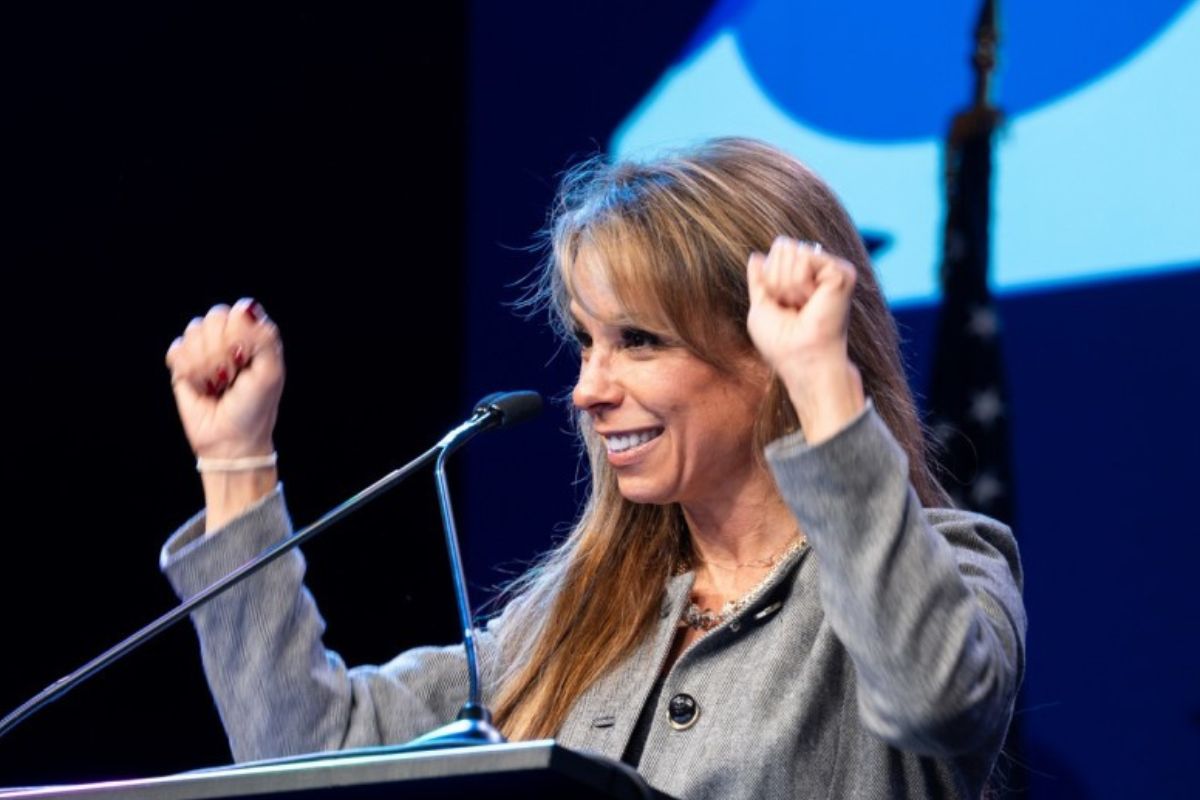
The Nexus of Controversy: Krisanthe Vlachos, Ted Carter, and Ohio State
The landscape of higher education leadership was recently rattled by revelations surrounding former Ohio State University (OSU) President Ted Carter, whose sudden resignation stemmed from an acknowledged "inappropriate relationship." At the heart of this unfolding story is Krisanthe Vlachos, a podcaster and veteran advocate, whose professional endeavors became intricately linked to Carter's tenure at OSU, sparking widespread debate about ethics, access, and institutional integrity. The convergence of a veteran-focused platform, state sponsorship, and a high-profile university presidency has created a complex web of scrutiny, drawing attention to the boundaries of professional conduct in public service.
Ted Carter, a distinguished retired U.S. Navy vice admiral with 38 years of military service, assumed the presidency of Ohio State in January 2024. His resignation, announced shortly thereafter, cited "personal reasons" but was explicitly connected to his admission of having granted a woman "inappropriate access to Ohio State leadership." This statement immediately triggered a search for the individual involved, with reports quickly identifying Krisanthe Vlachos. Social media posts and event photographs further underscored their close professional relationship, including Vlachos describing Carter as her "dear friend and mentor." The extent of their connection was notably evident in *The Callout Podcast*, Vlachos's flagship initiative, where Carter appeared in nine out of 14 video episodes released within the past year alone, highlighting a significantly frequent collaboration that extended beyond typical interview engagements.
Unpacking the VetEarnsUSA Mission and The Callout Podcast
Krisanthe Vlachos is widely recognized within veteran advocacy circles as the founder and host of The Callout Podcast, a platform launched in 2020 dedicated to addressing the critical issues faced by military veterans. The podcast primarily focuses on the multifaceted challenges of transitioning from military to civilian life, with a strong emphasis on connecting former service members with meaningful career opportunities. Through a series of interviews with veterans, industry leaders, and policymakers, Vlachos’s show aims to bridge the gap between skilled veterans and employers in sectors such as infrastructure, energy, and utilities.
Beyond the podcast, Vlachos spearheads VetEarnsUSA LLC, an organization committed to veteran employment initiatives. VetEarnsUSA orchestrates various projects, including networking conferences, career-focused events, and bespoke programs designed to directly link veterans with businesses seeking their unique skill sets. This mission-driven approach underscores a vital need within the veteran community—to ensure that the sacrifices made in service translate into successful and fulfilling civilian careers. However, the controversy surrounding her connections to former OSU President Ted Carter has cast an unexpected shadow over these otherwise laudable efforts. Allegations suggest that VetEarnsUSA may have benefited from improper access to university resources, becoming a focal point of the broader investigation. For a deeper dive into the initial revelations, see Krisanthe Vlachos Named: Inside Ted Carter's OSU Scandal.
The core objective of Vlachos's endeavors—empowering veterans—is undeniably crucial. Programs that facilitate successful transitions are essential for the well-being of service members and the economic strength of communities. However, the current scrutiny highlights how even noble causes can become entangled in ethical dilemmas when lines between personal relationships and professional influence blur, especially within public institutions. This situation prompts a critical examination of how partnerships are formed and how resources are allocated, emphasizing the paramount importance of transparency and adherence to established protocols.
The Sponsorships and the Scrutiny: JobsOhio and University Resources
A significant element of the controversy revolves around the sponsorship of The Callout Podcast and the alleged use of Ohio State University resources. JobsOhio, the state’s private non-profit economic development corporation, had provided sponsorship support to Vlachos’s podcast. In a statement, JobsOhio confirmed their sponsorship, noting it was part of their outreach efforts to military communities and had undergone a "standard and rigorous legal process." While JobsOhio's mission includes fostering economic growth and job creation—aligning with the podcast's goal of veteran employment—the timing and context of this sponsorship have now come under intense scrutiny.
The focus, however, extends beyond just JobsOhio. Ted Carter's admission of granting "inappropriate access to Ohio State leadership" suggests that the connections fostered through the relationship extended directly into the university's operational sphere. This raises questions about whether VetEarnsUSA or *The Callout Podcast* received preferential treatment, leverage, or direct benefits from OSU resources that would typically not be available or would require more rigorous approval. Examples could include the use of university venues for events, access to university staff for support, or partnerships that bypassed standard vetting procedures. One such event, "Last Out: Elegy of a Green Beret," hosted at Ohio State in 2025, involved multiple sponsors and partners, further illustrating the integration of Vlachos's initiatives with OSU's environment. The implications of such access are profound, potentially diverting public resources, undermining fair competition, and eroding public trust in the university's governance. For a detailed examination of the allegations concerning access and sponsorships, explore OSU Scandal Unpacked: Access, Sponsorships & Krisanthe Vlachos.
The situation underscores the critical need for robust ethical frameworks and transparent processes in all public institutions. When a high-ranking official facilitates access for an external entity with which they have a personal relationship, it creates an immediate perception of conflict of interest, regardless of intent. This perception alone can be damaging, leading to questions about fairness, accountability, and the integrity of decision-making. JobsOhio's assertion of a "rigorous legal process" is a vital defense, but the broader narrative concerning OSU suggests that the formal processes may have been circumvented or influenced by the personal ties between Krisanthe Vlachos and Ted Carter.
Beyond the Headlines: Ethical Implications and Institutional Integrity
The controversy surrounding Krisanthe Vlachos, Ted Carter, and Ohio State University transcends the personal relationship at its core; it exposes critical vulnerabilities in institutional governance, ethical oversight, and the management of public trust. At its heart lies the ethical imperative for leaders of public institutions to maintain an unimpeachable standard of conduct, ensuring that personal relationships never intersect with professional responsibilities in a manner that could be perceived as preferential treatment or a misuse of authority.
The Weight of Public Office and the Appearance of Impropriety
For individuals in positions of power, like a university president, the "appearance of impropriety" can be as damaging as actual misconduct. Even if no laws were technically broken, the perception that a personal connection influenced access to resources or decision-making at a public university can severely erode public confidence. This situation highlights the importance of clear, well-communicated ethics policies that govern interactions between university officials and external organizations, particularly those run by individuals with whom they share personal ties.
Impact on Stakeholders and Institutional Reputation
The ripple effect of such controversies is far-reaching. Students, faculty, staff, and alumni of Ohio State University may question the integrity of leadership and decision-making processes. Veterans who rely on initiatives like *The Callout Podcast* or VetEarnsUSA might feel let down if the focus shifts from their welfare to allegations of impropriety. JobsOhio, as a state economic development entity, also faces scrutiny regarding its due diligence in sponsorship agreements. Ultimately, such incidents can tarnish the reputation of respected institutions and public service organizations, necessitating significant efforts to rebuild trust.
Lessons for Ethical Governance and Transparency
This case offers invaluable lessons for all organizations, particularly those in the public sector:
- Clear Ethical Guidelines: Institutions must establish and rigorously enforce comprehensive ethics policies that address conflicts of interest, personal relationships impacting professional decisions, and appropriate use of resources.
- Transparency in Partnerships: All partnerships, especially those involving public funds or resources, should be transparently vetted and documented, with clear justifications for their strategic value and adherence to fair processes.
- Accountability Mechanisms: Robust oversight bodies and accountability mechanisms are crucial to ensure that allegations of impropriety are thoroughly investigated and appropriate actions are taken.
- Leadership by Example: Leaders must not only adhere to ethical standards but actively champion a culture of integrity, understanding that their actions set the tone for the entire organization.
While investigations continue to unfold, the events surrounding Krisanthe Vlachos and Ted Carter serve as a poignant reminder of the constant vigilance required to uphold ethical standards and preserve the integrity of public institutions.
The intertwining narratives of Krisanthe Vlachos, her veteran-focused initiatives, and the controversial resignation of Ohio State University President Ted Carter underscore a critical intersection of personal relationships, professional opportunities, and institutional ethics. What began as a seemingly benign collaboration to support veterans quickly escalated into a scandal that challenged the principles of transparency and appropriate access within a prominent public university. As the full implications continue to emerge, this case highlights the paramount importance of stringent ethical guidelines, rigorous oversight, and unwavering accountability for all individuals entrusted with leadership roles in public service. The events at OSU serve as a stark reminder that the integrity of an institution is often measured not just by its achievements, but by its steadfast commitment to ethical governance.